
Leopold Museum in Vienna –
A Vratza Limestone Masterpiece
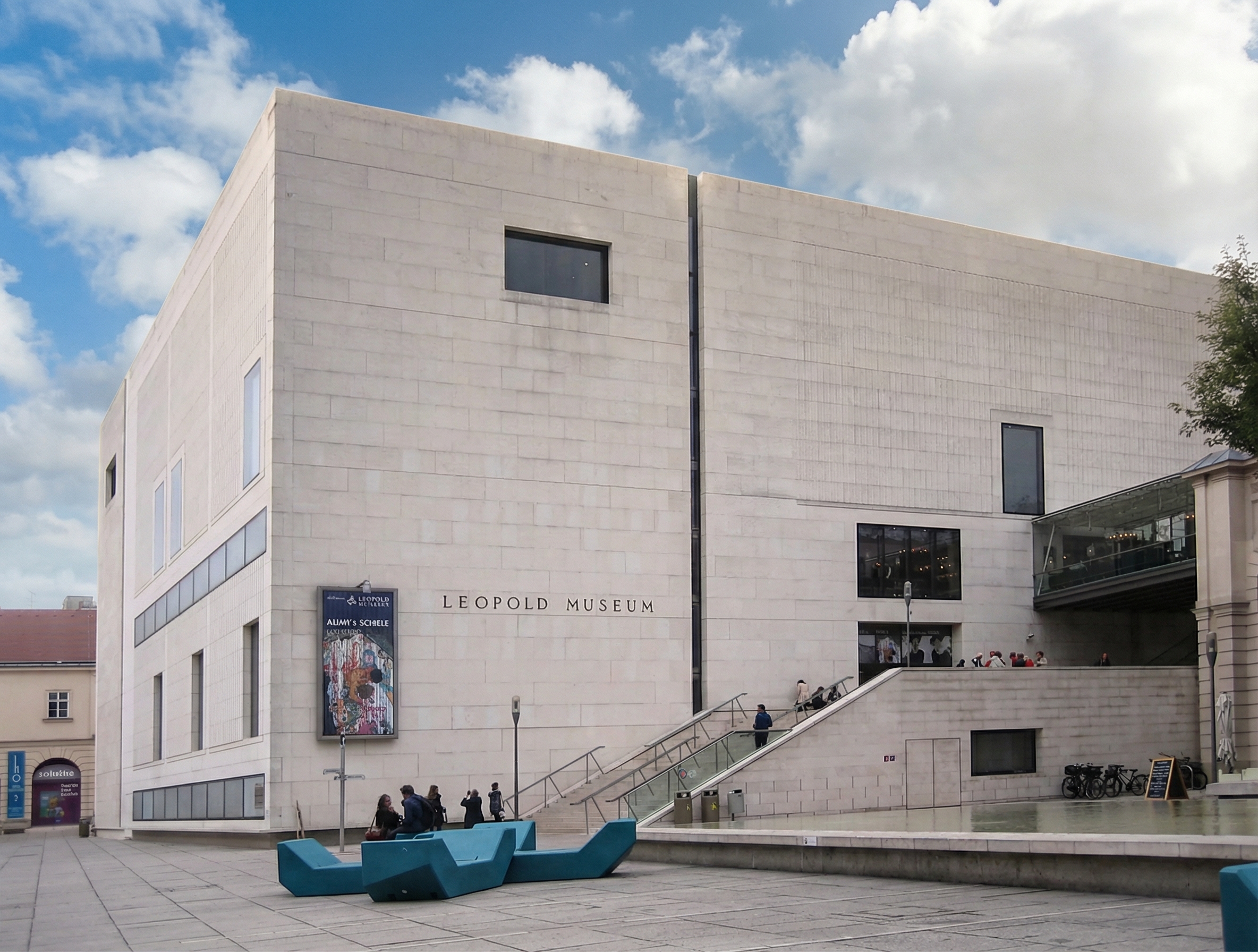
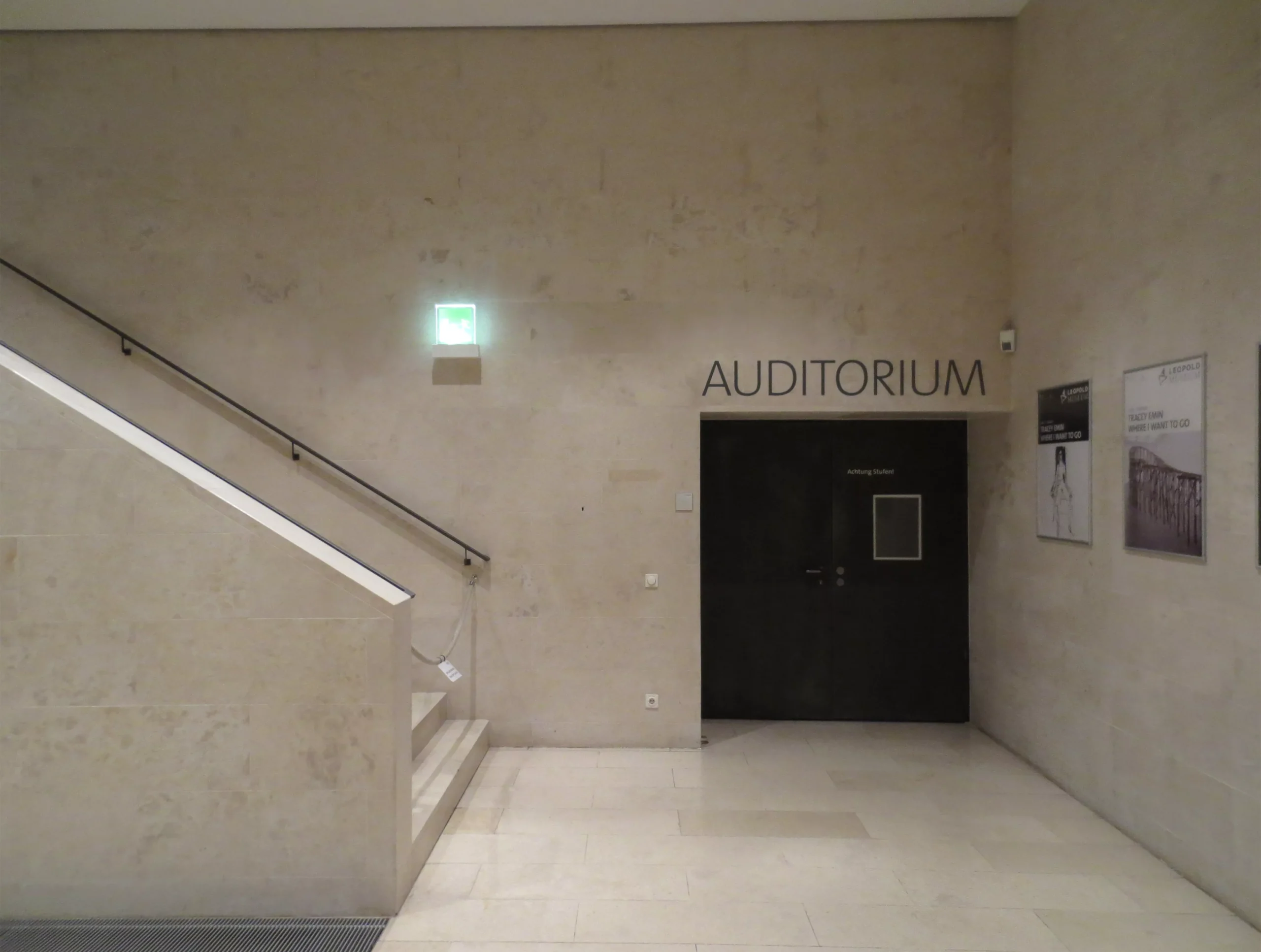
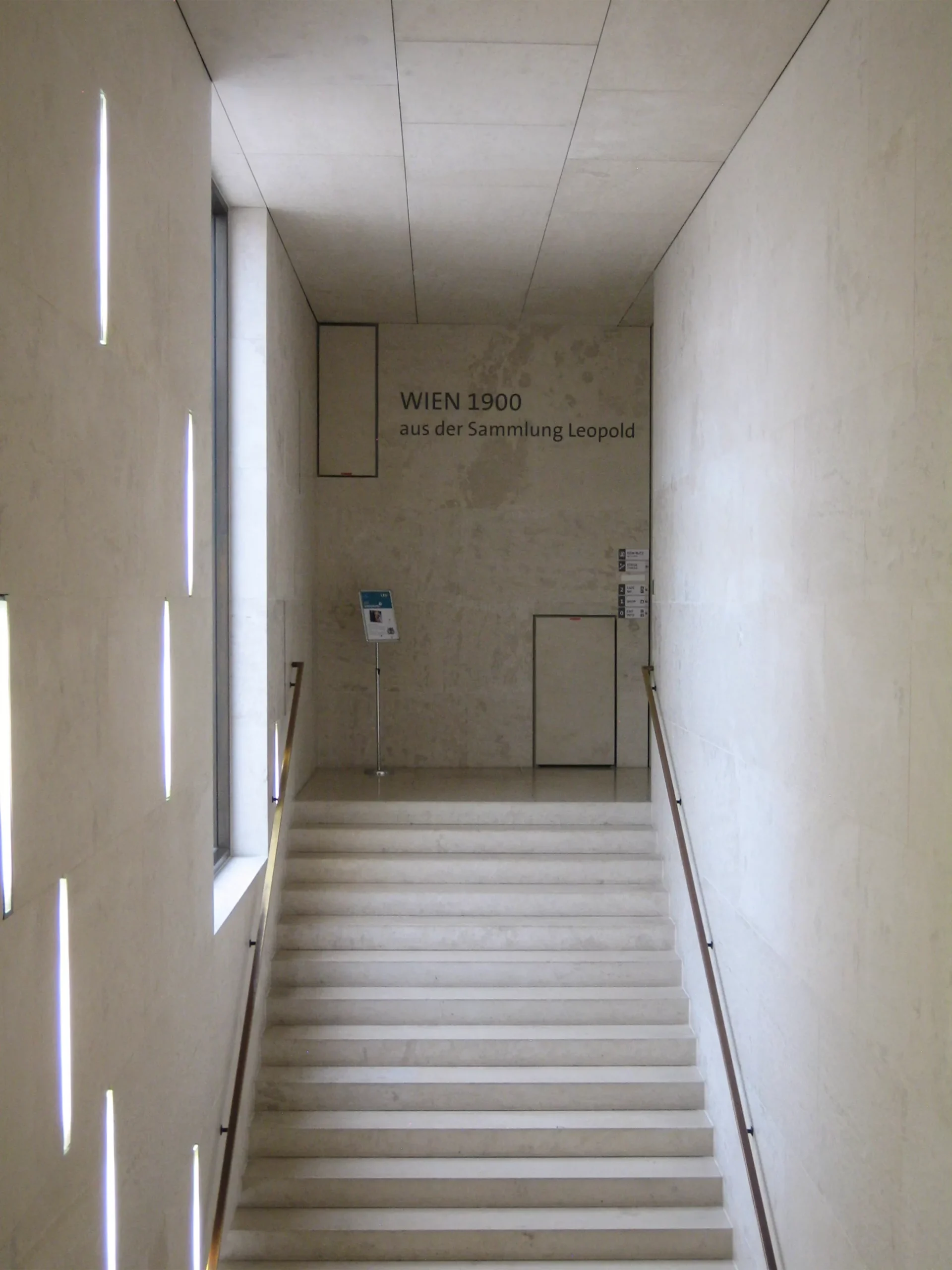
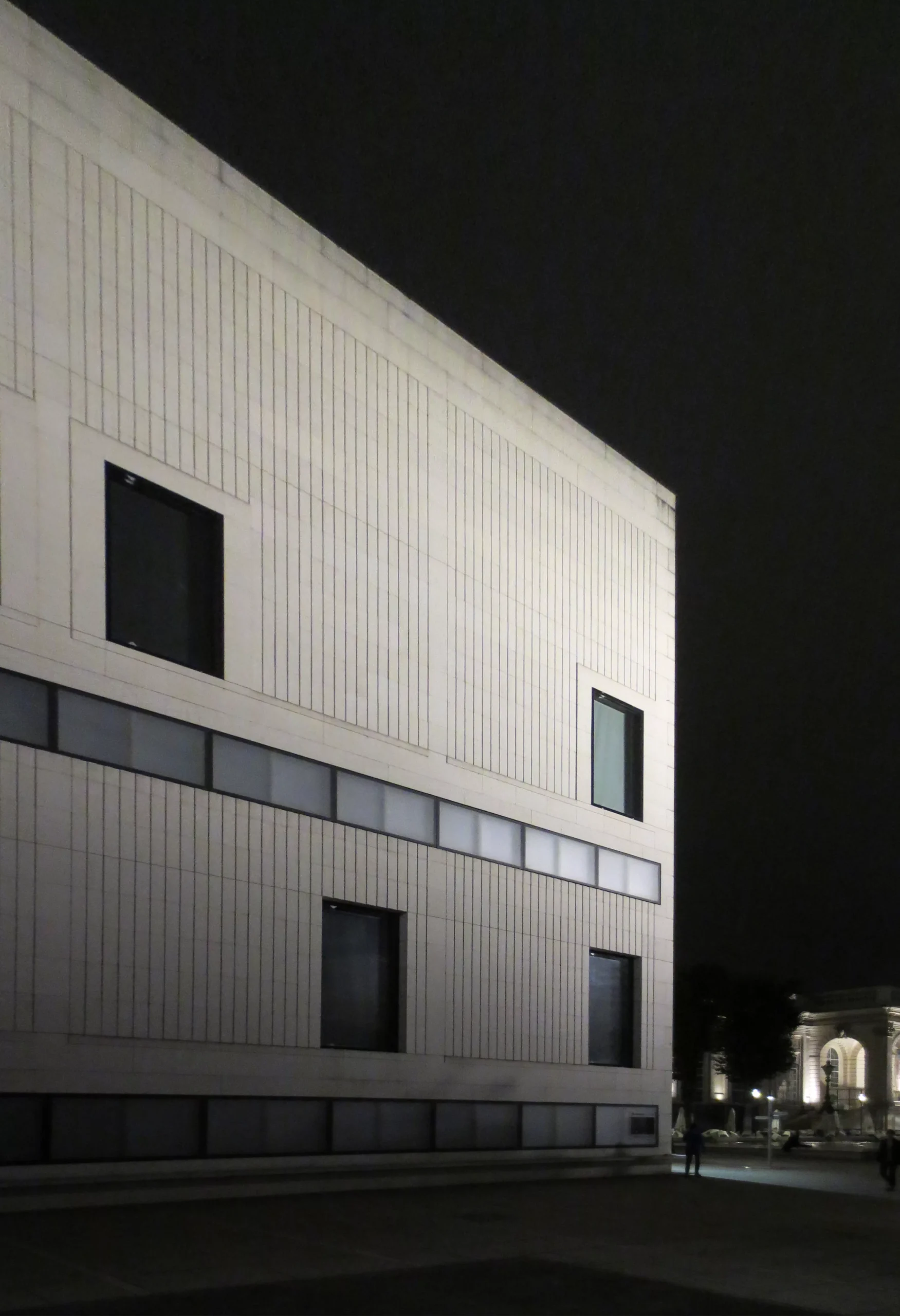
The Leopold Museum Vratza Limestone cladding is a world-renowned example of how natural stone can define modern cultural architecture. Located in the heart of Vienna’s MuseumsQuartier, this iconic building serves as a massive, light-filled cube that radiates timeless elegance.
The Vision: A Monolithic Masterpiece Designed by the renowned firm Ortner & Ortner, the museum houses the world’s largest collection of Egon Schiele’s works. The architects envisioned a structure that bridges the gap between minimalist geometry and organic history, requiring a material that exudes both strength and cultural weight.
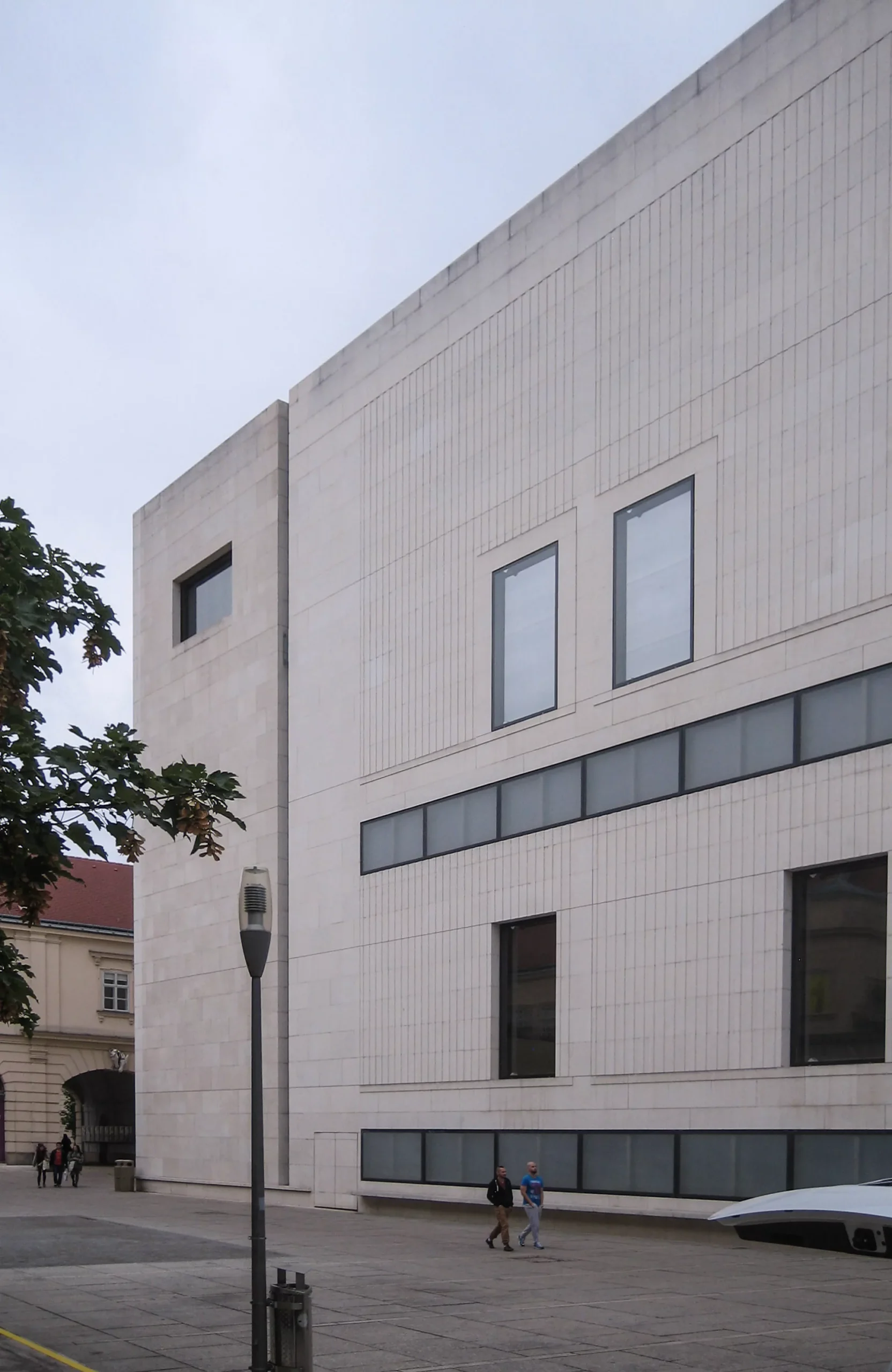
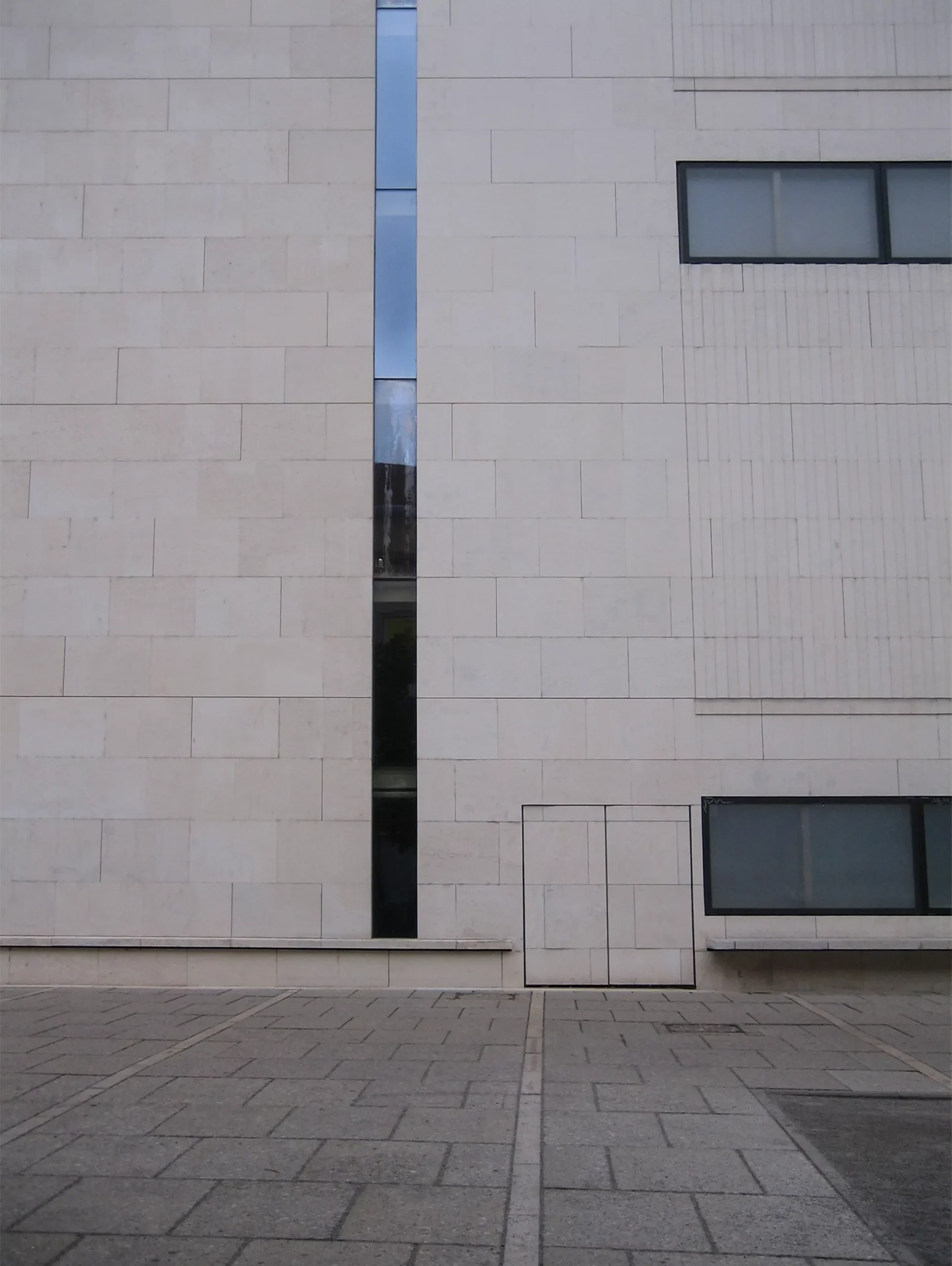
The Challenge: Seamless Geometry The project demanded a natural stone that could transform a geometric cube into a living, breathing monolith. The cladding had to appear perfectly uniform from a distance, yet reveal a rich, natural texture upon closer inspection. It also needed to provide a striking visual contrast to the dark basalt facade of the neighboring MUMOK building.
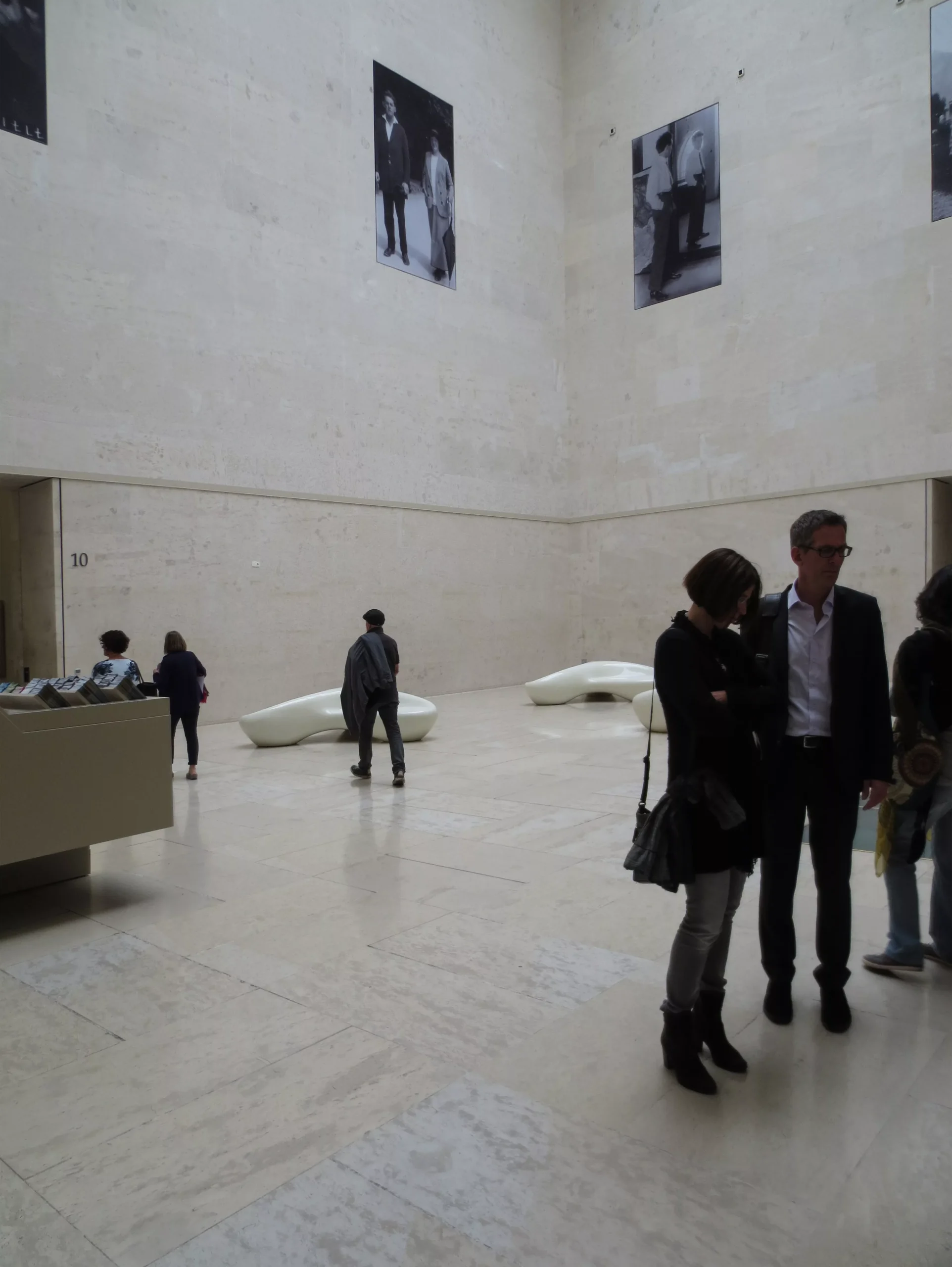
The Solution: Vratza Limestone Vratza Limestone was selected as the primary material for the museum’s monumental exterior and interior atrium, fulfilling the vision of a “white, shining block” in the center of Vienna.
● Monolithic Appearance: The creamy, light-beige tonality of the limestone creates a unified, solid look that changes beautifully with the shifting sunlight.
● Organic Texture: Embedded with subtle marine fossils and natural veining, the stone adds warmth and micro-detail to the massive 24-meter-high sheer walls.
Enduring Strength: Designed to withstand ● Central European winters, the dense structure of Vratza Limestone ensures that this landmark will preserve its majestic appearance for centuries.
Location: Vienna, Austria (MuseumsQuartier)
Year: 2001
Architect: Ortner & Ortner Baukunst
Material: Vratza Limestone