
Neasden Temple in London –
A Carved Vratza Limestone Masterpiece
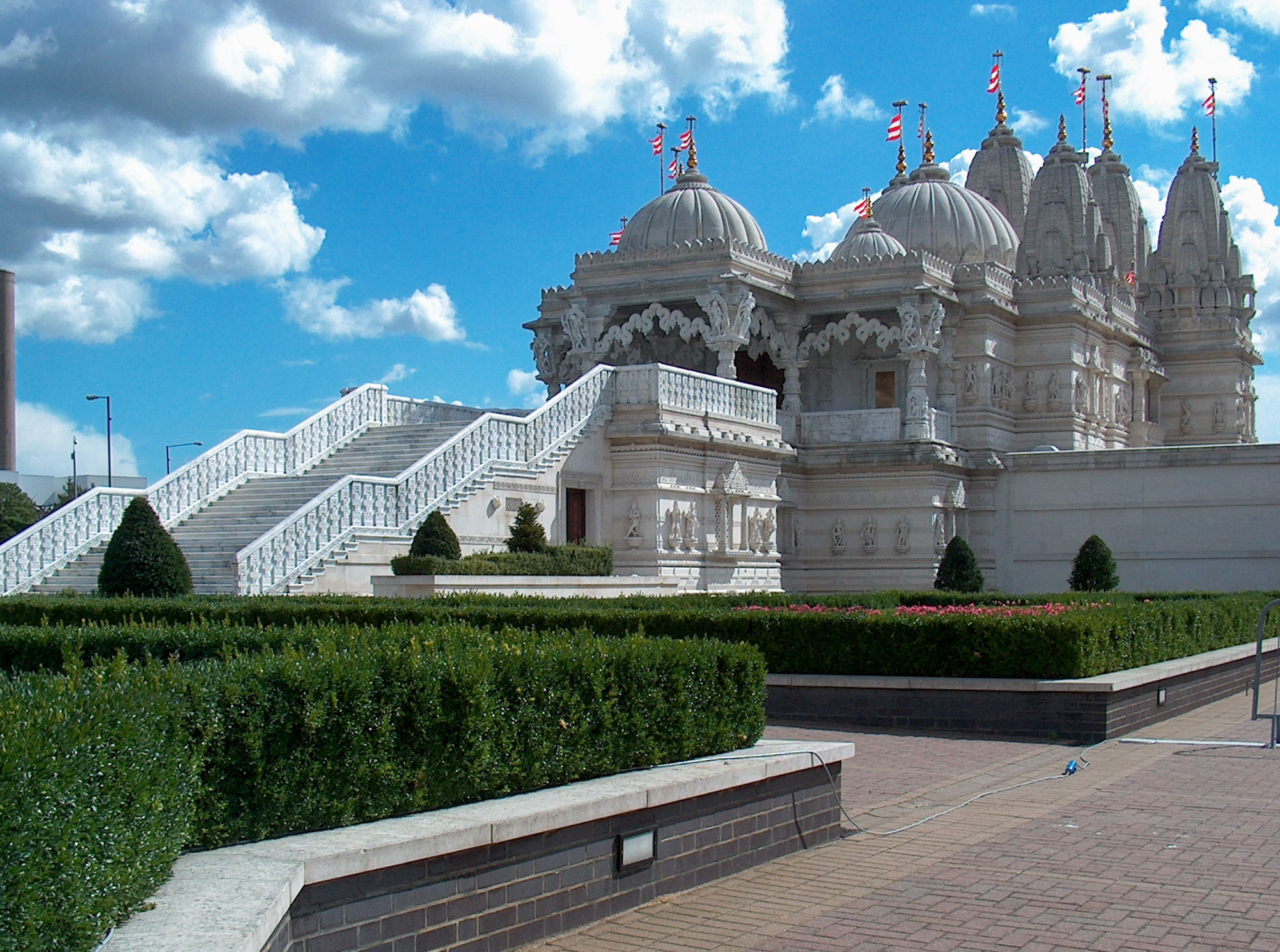
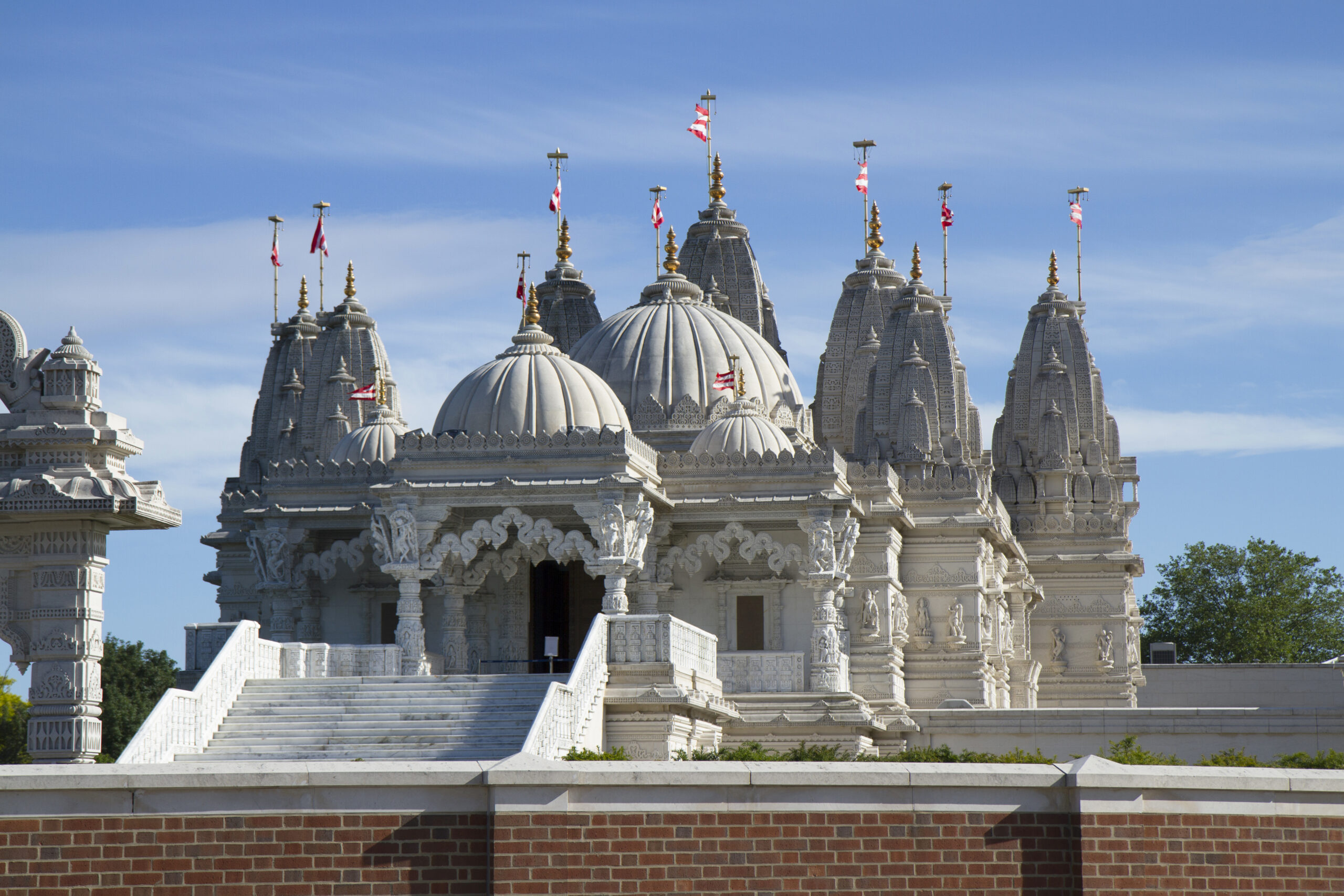
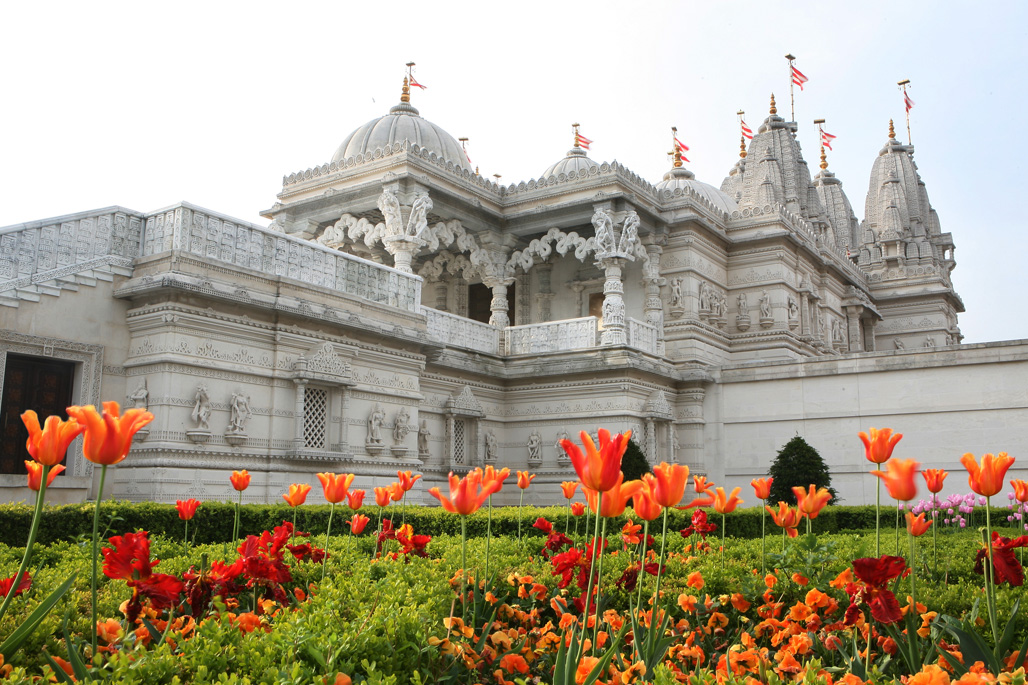
The Neasden Temple Vratza Limestone project is a remarkable testament to the beauty, workability, and extreme durability of premium Bulgarian natural stone. Officially known as the BAPS Shri Swaminarayan Mandir, this iconic structure in London was Europe’s first traditional Hindu stone temple.
The Vision: Traditional Architecture in Europe The builders sought to construct a masterpiece that followed ancient Hindu architectural texts (Vastu Shastras) while being situated in the heart of modern London. This required a material capable of taking on incredibly intricate, hand-carved details while withstanding the damp, freezing conditions of the British climate.
The Challenge: Workability vs. Durability Traditional Indian sandstone was not suitable for London’s harsh weather. The architects needed a stone soft enough to be carved by thousands of artisans in India, yet dense and frost-resistant enough to last a millennium in the UK without losing its structural integrity or bright appearance.
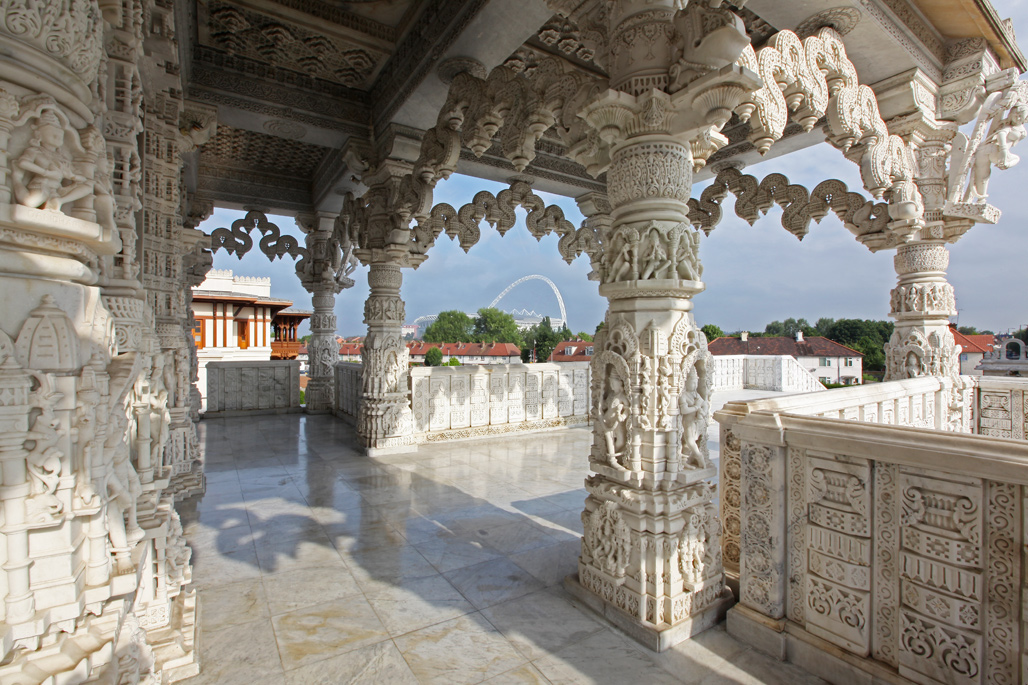
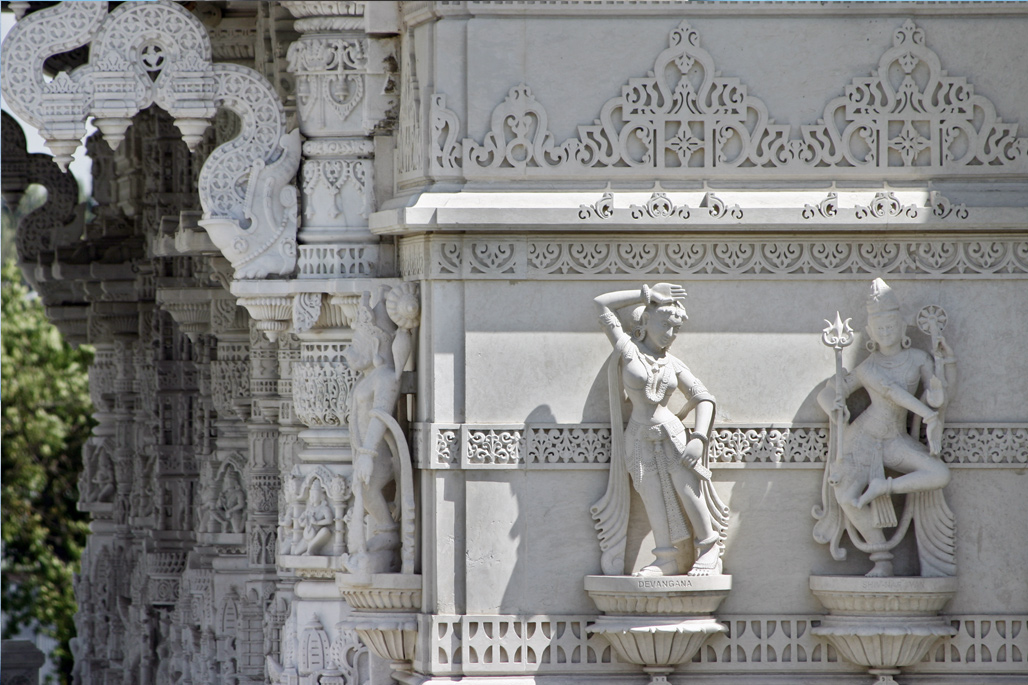
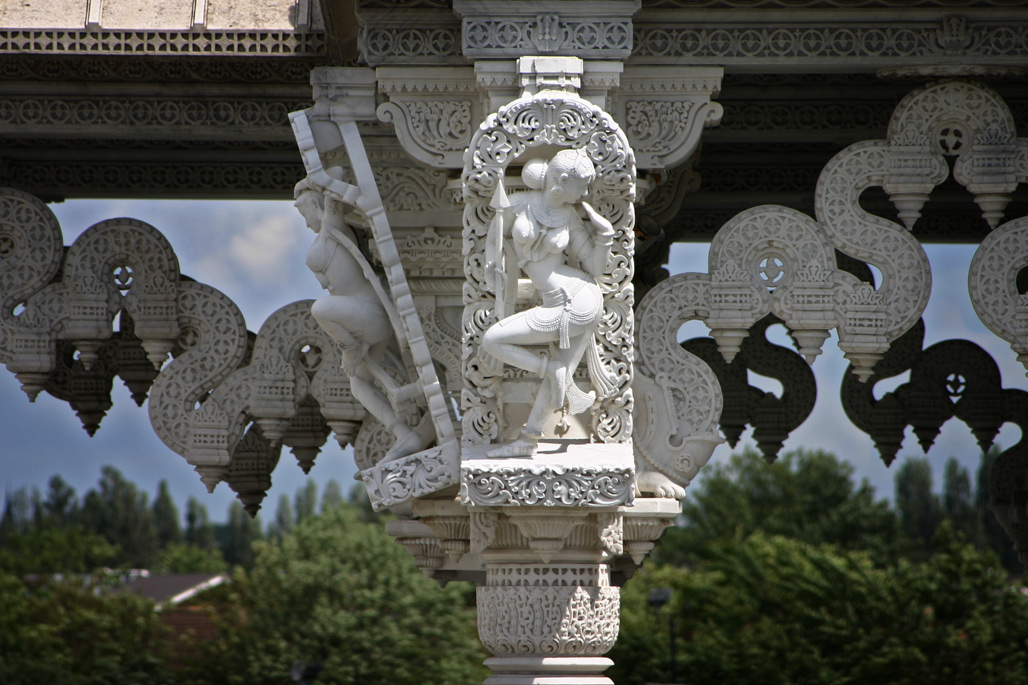
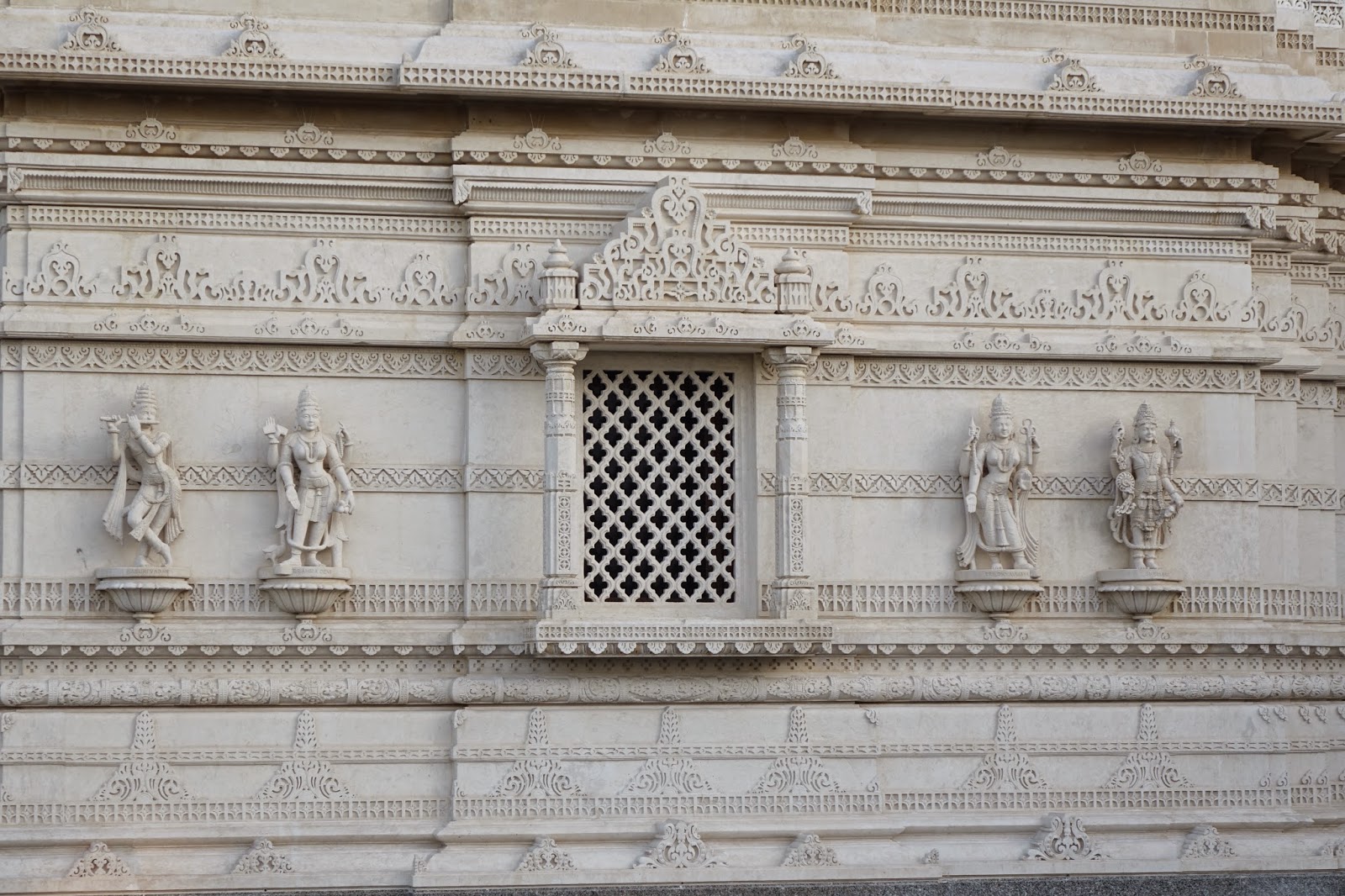
The Solution: Vratza Limestone Over 2,800 tonnes of Vratza Limestone were extracted from Bulgaria and shipped to India, where over 1,500 craftsmen hand-carved the intricate domes, pillars, and figures. The carved pieces were then shipped to London and assembled like a giant, three-dimensional puzzle.
● Exceptional Carvability: The fine grain of Vratza Limestone allowed for some of the most detailed stone carving seen in modern European architecture.
● Weather Resistance: Standing proudly since 1995, the limestone exterior has flawlessly endured decades of London rain, frost, and pollution, maintaining its creamy, elegant hue.
● Structural Integrity: The dense nature of the stone ensures that the delicate exterior carvings remain sharp and undamaged over time.
Location: London, United Kingdom (Neasden)
Year: 1995
Material: Vratza Limestone (Exterior facade and carvings)